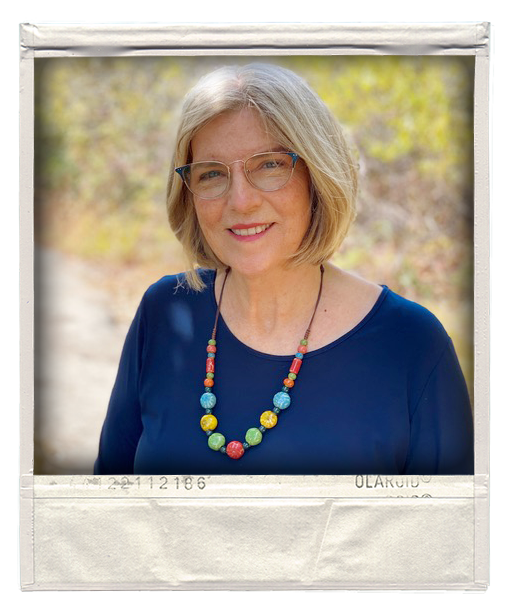
My Story
“Your task is not to seek love, but merely to seek and find all the barriers within yourself that you have built against it."
— Rumi
My Story
I was raised in the California communities of Berkeley, Davis, and Santa Cruz by two therapists. While I loved listening to my parents talk about their work at the dinner table, I never envisioned working in the mental health field myself. In high school, I spent a year in Thailand as an international exchange student (AFS), which led circuitously to my becoming a middle school and high school teacher. While working on my BA at UC Berkeley in the early 1980s, I started teaching Southeast Asian refugees in the Bay Area.
During my 25-year career in education, in addition to teaching middle school and high school, I worked as an independent middle school director and an international student advisor. I loved supporting students of that age. They were complex; their emotions were sometimes “messy”; and they were always interesting to engage with. These experiences laid the groundwork for the parent coaching I do today.
I thought I knew tweens, teens and young adults inside and out. Then I had my own child.
In the early 2000’s, at age 40, I joined the legion of “older moms” in the Bay Area.
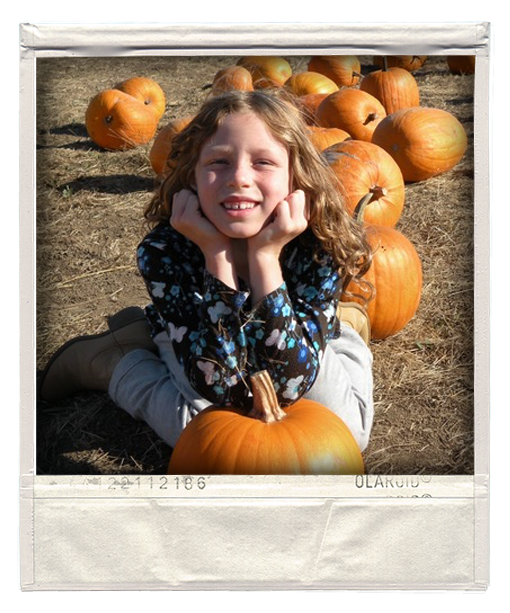
My daughter was bright, active, and a joy to be with. Unfortunately, when she was just over 3 years old, she had a near-drowning accident while being cared for by close friends. She was playing alone in their backyard, lifted the hot tub cover, and fell in. As the cover closed over her, she was knocked unconscious. Thankfully, she was found a few minutes later and resuscitated. At the time, we didn’t realize the trauma could lead to PTSD and other challenges. When she was 5, my marriage ended amicably, and I became a single mom with a supportive co-parent.
Despite everything I knew about adolescents, I could not even keep my own child safe.

Flash forward
Going solo was an adjustment, but I felt fairly confident in my parenting. Issues came up from time to time during my daughter’s younger years, naturally, but nothing that warranted too much concern. She might grow anxious around those horrible timed multiplication table tests or about the dynamics in friendship groups. My ex-husband and I remained supportive of each other over the years, and we reunited when my daughter was in the 5th grade. The transition was harder than we expected, but I still believed we were building a happy family.
Then, when my daughter was 13, everything changed. She shared that she was struggling with depression amongst other challenges. Over the next year, we pursued every local mental health support we could find, including a family DBT class. But outpatient care—and our usual parenting tools—weren’t enough. Our daughter was in crisis. And, like many families dealing with a complex parenting situation, the tension put a strain on my marriage.
Most days, I was struggling to keep my head above water.
I felt isolated—worried about my daughter—I didn’t know where to turn.
I began attending a local support group for parents of teenagers, which was a life saver. In that community, surrounded by people who understood, I learned what other families were doing to navigate the school system, the mental health care system, and other emotional minefields. Between attending support group meetings, consulting with a therapist, participating in the DBT family classes, and driving our daughter to all of her sessions, there were days where my husband and I felt like we had another full time job. And yet, we couldn’t seem to climb out of the morass our family was in. Then one day, our daughter came home from high school one day declaring that she wasn’t going back.

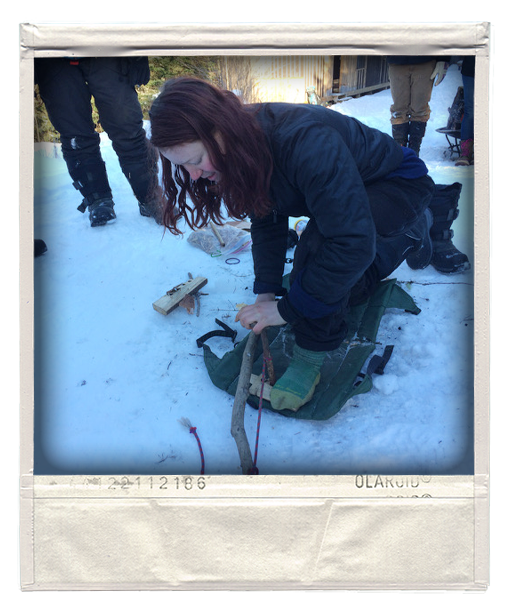
Reluctantly, we began the wilderness and residential treatment journey.
If you’ve ever made a choice like this, you know how heartrending it is. Nothing prepares a parent for the experience of separation from their child or watching them suffer. On the positive side, we knew our daughter was going to be safe, attending school everyday, and receiving therapeutic support. Still, it felt odd to only engage with the residential program once a week online. Progress–our daughter’s and ours–was slower than we might have expected. Two steps forward, one step back.
I still couldn’t shake the feeling that our lives had taken a wrong turn.
So, how did I find myself, and recover my family?
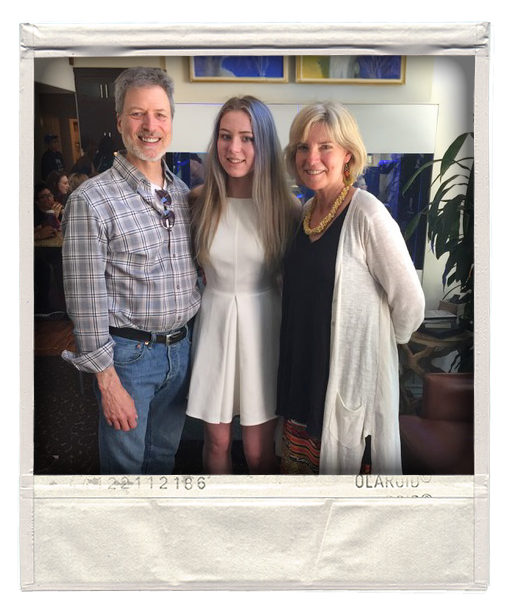
While the clinical support we received along the way was invaluable, when we brought our daughter home, we needed more practical daily guidance than family therapy could realistically provide. I started working with a parent coach and learned the value of co-regulating my nervous system as challenges arose rather than waiting for a weekly therapy appointment.
Using a team approach, we mapped out my family’s recovery. I learned how to use family meetings to create structure and predictability. I started collaborating more with my daughter. I stopped overfocusing on my daughter and got my own internal house in order. Although I still worried about her at times, my confidence in my 17-year-old’s ability to make good choices and attend to her responsibilities slowly grew. Our family forged a new way of being with each other that was...definitely not perfect. BUT, sometimes it was actually pleasant–and we were beginning to heal.
Mindset Shifts Happen
There’s no fairy dust to relieve the suffering and disruption that mental health challenges cause.
BUT, there is a kind of alchemy available when you get the right support. In 2017, I was ready to give back to the parent community that had helped me through some of the hardest moments. I began volunteering with a local non-profit and running support groups. In 2018, I received my parent coaching certification from Parent Coach Professionals’ training institute and launched my own practice.